Tankless vs. Tank Water Heaters: Which is Best for Bullhead City Homes?
Considering upgrading your water heater? We evaluate upfront costs, energy efficiency, hard water durability, and sizing specifically for Bullhead City's extreme climate.
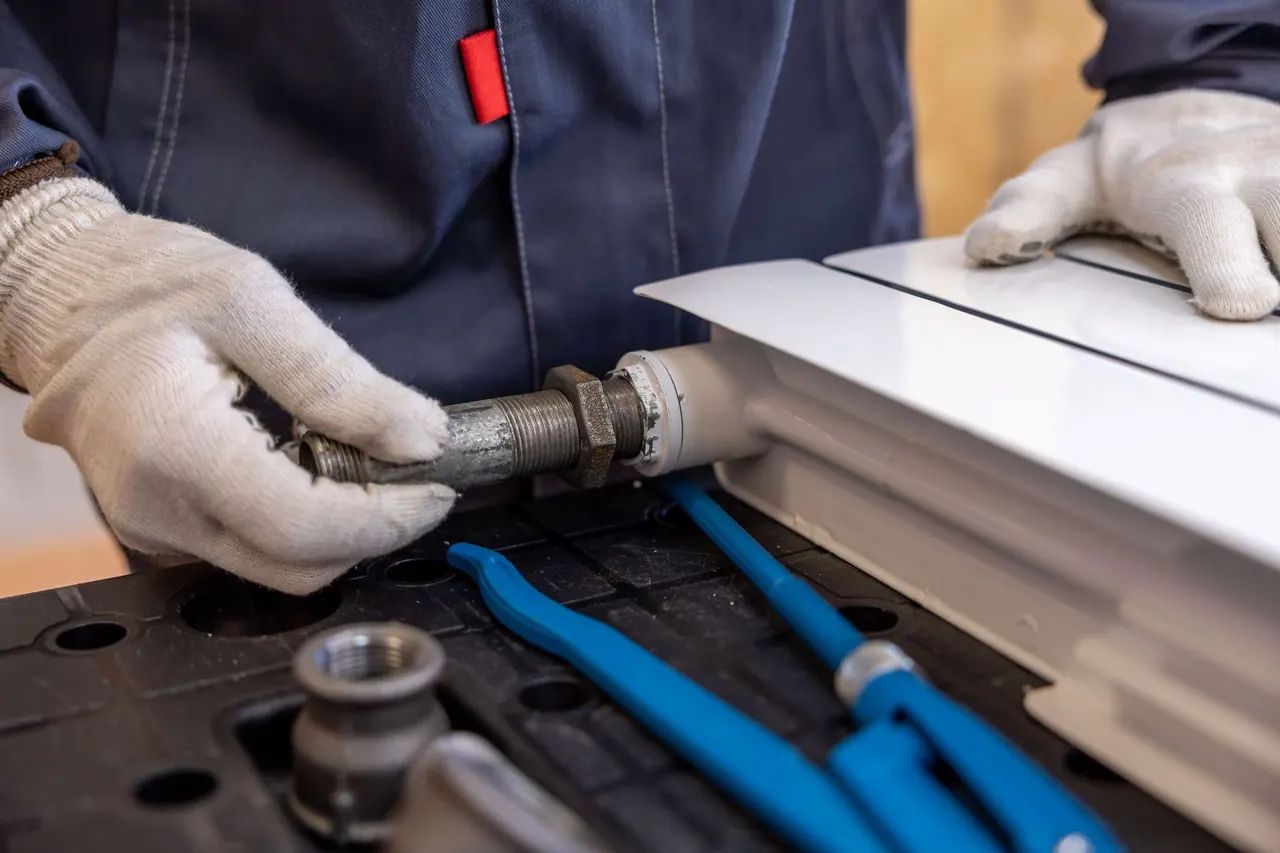
When the time comes to replace an aging water heater in Bullhead City, homeowners face an important choice: replace it with a traditional storage tank model, or upgrade to an on-demand, energy-efficient tankless water heater? In our high-desert climate, where summer ambient temperatures soar past 115°F and Colorado River tap water carries heavy mineral loads, this decision involves distinct mechanical trade-offs.
At Rapid BC Plumbers, our certified plumbers Bullhead City AZ install, repair, and maintain both conventional tanks and modern tankless systems. Here is an honest, local breakdown to help you determine which system makes the most financial and practical sense for your household.
How They Work: Storage Tank vs. On-Demand Tankless
- Conventional Storage Tank: Keeps 40 to 50 gallons of water continuously heated at 120°F to 140°F inside an insulated steel tank. When hot water is drawn, cold water enters the bottom of the tank and the burner or electric element kicks on to reheat the entire reserve.
- Tankless (On-Demand) System: Does not store water. When a hot water faucet opens, cold water flows across high-output gas burners or electric heating elements inside a compact, wall-mounted copper heat exchanger. It delivers continuous hot water on demand until the faucet is shut off.
The Desert Climate Advantage: Higher Summer Inflow Temperatures
In cold northern climates, incoming groundwater in winter can be as cold as 38°F, requiring a tankless unit to heat water by over 80°F to reach a comfortable shower temperature. This drastically reduces the unit's maximum flow rate (measured in Gallons Per Minute or GPM).
In Bullhead City, our climate works directly in favor of tankless units:
- Summer Groundwater Inflow: During hot Mohave Valley summers, city water pipes buried shallowly in desert soil absorb ambient heat. Incoming cold water often enters your home between 75°F and 82°F. A tankless unit only needs a small 40°F temperature rise, allowing a standard 199,000 BTU unit to easily supply 8 to 9.5 GPM—enough to run three showers, a dishwasher, and a washing machine simultaneously without running out.
- Zero Standby Heat Loss: In conventional tanks located in unconditioned desert garages where ambient temperatures hit 130°F, standby heat loss is exacerbated. Tankless units consume zero gas or electricity when no water is running.
The Bullhead City Hard Water Factor: Scale Management
While tankless water heaters deliver unmatched energy savings and endless hot water, they have one major vulnerability in Bullhead City: hard water mineral scale.
Because tankless heat exchangers feature narrow copper tubes engineered for rapid thermal transfer, calcium and magnesium scale precipitate out rapidly at high temperatures. If a tankless unit is operated on untreated 18 gpg Bullhead City water without maintenance, scale will insulate the heat exchanger within 18 to 24 months, causing temperature fluctuations and thermal error codes (such as Code 11 or 12).
Plumber's Golden Rule: If you invest in a tankless water heater in Bullhead City, you MUST either pair it with an ion-exchange water softener, or commit to an annual chemical descaling flush using isolation service valves. When properly maintained, a tankless unit will outlast a conventional tank by 10 to 15 years.
Side-by-Side Comparison: Tank vs. Tankless
| Comparison Factor | Conventional Storage Tank | On-Demand Tankless |
|---|---|---|
| Expected Lifespan | 6 to 10 years in Bullhead City | 20+ years with annual descaling |
| Upfront Cost | Lower ($1,400 – $2,200 installed) | Higher ($3,200 – $4,800 installed) |
| Hot Water Supply | Limited to tank capacity (runs out) | Endless continuous hot water |
| Space Requirement | Bulky footprint (takes up 9-12 sq ft) | Compact wall mount (size of a suitcase) |
| Energy Savings | Standard baseline | 24% to 35% reduction in gas/electric use |
| Hard Water Vulnerability | Heavy bottom sediment; burner burn-through | Narrow heat exchanger scale; requires flush |
Retrofit Considerations: Upgrading from Tank to Tankless
If you choose to switch from a tank to a tankless system, several infrastructure upgrades are often necessary:
- Gas Line Sizing: Standard 40-gallon tank water heaters use 35,000 to 40,000 BTUs and connect to a 1/2-inch gas pipe. A whole-home gas tankless heater requires between 160,000 and 199,000 BTUs to heat water instantly. Your plumber must verify your gas meter capacity and often upgrade a section of gas piping to 3/4-inch or 1-inch.
- Direct-Vent PVC/Polypropylene Venting: Modern condensing tankless units extract so much heat that exhaust gases are cool and acidic, requiring sealed dual-pipe PVC, CPVC, or polypropylene venting through an exterior wall or roof.
- Electrical Outlet: Gas tankless units require an electrical outlet nearby to power internal circuit boards, digital ignition, and frost-protection heating coils.
If you're unsure whether your home's setup is ready for an upgrade, our certified team handles full code-compliant evaluations and installations via our dedicated water heater installation and repair in Bullhead City.
The Verdict: Which Should You Choose?
- Choose a Conventional Storage Tank if: You want the lowest upfront replacement cost, have a 1- to 2-person household with modest hot water demands, or plan to sell your home within the next 3 to 5 years.
- Choose an On-Demand Tankless Unit if: You have a busy household or frequent guests who run out of hot water, want to free up valuable floor space in your garage, want the lowest possible monthly utility bills, and are committed to protecting your investment with annual descaling or water softening.
Frequently Asked Questions
Do tankless water heaters work well in Bullhead City's climate?
Yes, exceptionally well. In summer, groundwater temperatures in Bullhead City often hover around 75°F to 80°F, meaning tankless heaters need very little energy to reach 120°F. However, because of high water hardness (15-20+ gpg), tankless systems require an annual descaling flush.
How much energy does a tankless water heater save?
According to the US Department of Energy, homes that use 41 gallons or less of hot water daily can achieve 24% to 34% greater energy efficiency with a tankless water heater compared to conventional storage tank models.
How long does a tankless water heater last compared to a tank heater?
A conventional tank water heater in Bullhead City typically lasts 6 to 10 years before tank floor sediment leads to failure. A properly maintained tankless water heater can operate reliably for 20 years or more with replaceable components.
Can I install a tankless water heater in my garage?
Yes. Most Bullhead City homes mount tankless units on garage interior or exterior walls. Gas models require a dedicated 3/4-inch gas line and direct-vent PVC or concentric venting to handle high combustion requirements.