5 Warning Signs of a Slab Leak in Bullhead City Desert Foundations
Under-slab water leaks can undermine foundations, rot flooring, and waste thousands of gallons of water. Learn how to recognize the early warning signs before structural damage occurs.
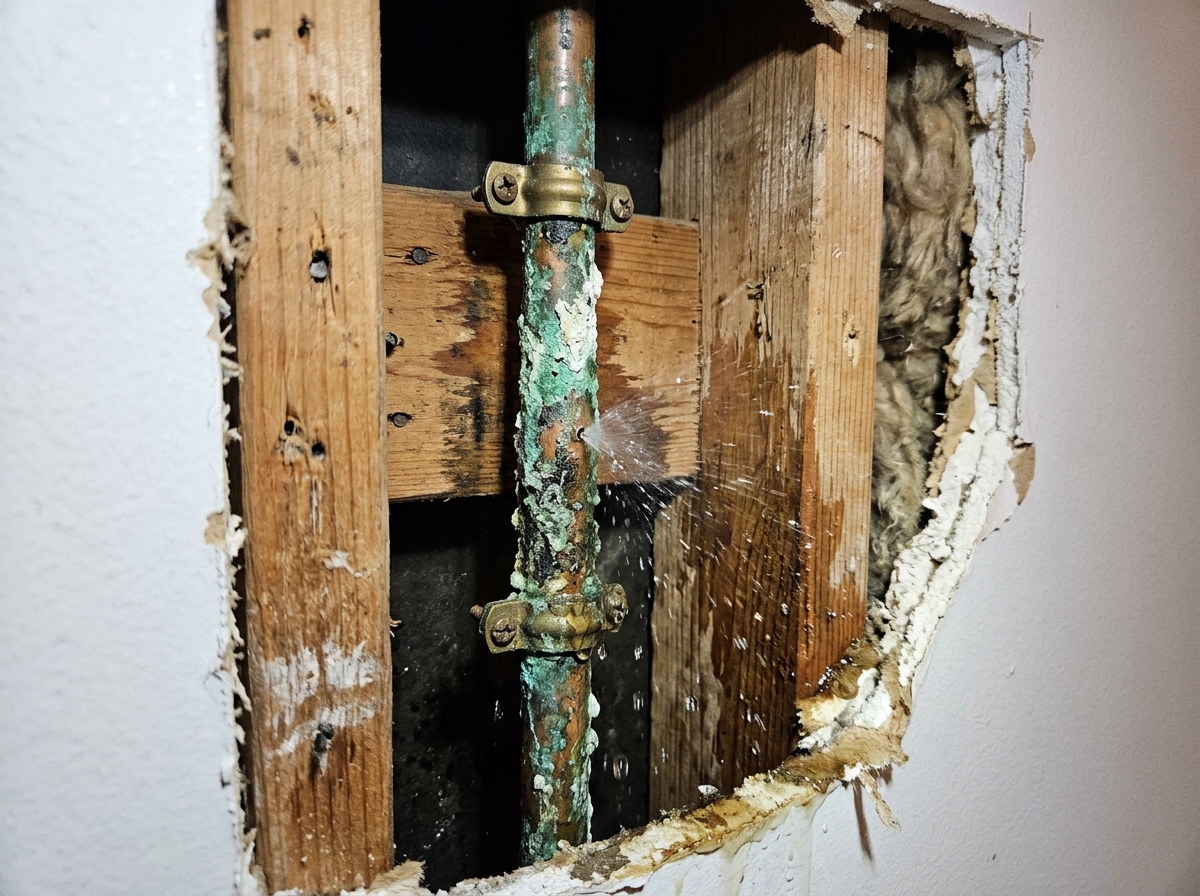
Most homes in Bullhead City are constructed on monolithic slab-on-grade concrete foundations. During original construction, the primary hot and cold water supply lines—typically soft copper tubing—were laid across the gravel soil bed before concrete was poured directly over them. While this building method is standard across the Southwest, it leaves essential plumbing pipes buried beneath 4 to 6 inches of solid, reinforced concrete.
When an underground water line develops a pinhole crack or burst beneath your floor, you have an active slab leak. Because water follows the path of least resistance through gravel sub-base, thousands of gallons can escape underground for months before pooling appears. If you suspect an issue, consulting a licensed Bullhead City plumber promptly is critical to preventing foundation destabilization and massive water bills.
Why Bullhead City Homes Suffer from Slab Leaks
Properties in neighborhoods like Desert Foothills, Sunridge Estates, and Riviera encounter three primary environmental factors that accelerate under-slab pipe breaks:
- Rocky Caliche Soils & Shifting: The Mohave desert soil contains dense, rock-like layers of calcium carbonate known as caliche. When monsoon rains or local landscape irrigation saturate the ground, expansive clay shifts against the rigid concrete slab, causing buried copper lines to grind against sharp rocks until a friction fracture occurs.
- Corrosive Groundwater Chemistry: In soil with high mineral salt concentrations, electrolytic currents cause galvanic corrosion, pitting copper tubing from the outside in until pinhole leaks penetrate the pipe wall.
- Thermal Expansion & High Municipal Pressure: Municipal supply lines in Bullhead City routinely surge above 85 to 100 PSI. The rapid cycling between hot water thermal expansion and high-pressure hydraulic shocks causes buried copper to expand and contract repeatedly against concrete, leading to stress fractures.
5 Critical Warning Signs of a Slab Leak
1. Unexplained Spikes in Your Water Bill
The earliest symptom of an under-slab leak is often financial. If your monthly municipal water bill jumps unexpectedly by $80, $150, or more without changes in household water use, swimming pool refills, or irrigation, pressurized water is escaping somewhere in your system. A single 1/16-inch pinhole leak under 60 PSI loses over 25,000 gallons per month.
2. Isolated Warm Spots on Tile, Vinyl, or Carpet
Because the hot water copper line is usually insulated only by gravel, hot water pooling underneath the concrete slab conducts heat upward. Homeowners frequently discover slab leaks when walking barefoot in a hallway, kitchen, or bathroom and feeling a warm section of tile or carpet. If your water heater runs continuously even when no hot faucets are on, a broken hot water line under the floor is actively radiating heat.
3. The Sound of Running Water When Faucets Are Off
In a quiet home, a pressurized slab leak creates a faint rushing, hissing, or bubbling sound behind walls or directly below the floorboards. If you hear flowing water and verify that all toilets, faucets, and outdoor hose bibbs are closed, water is continuously circulating through a ruptured supply line.
4. The Municipal Water Meter Low-Flow Dial Spins Non-Stop
You can verify a hidden leak in 5 minutes with your city water meter located in the ground near the street. Ensure all water fixtures inside and outside the home are turned completely off. Open the meter lid and observe the small triangular or star-shaped low-flow indicator dial. If that dial is steadily spinning or the digital reading ticks upward with everything off, water is actively leaking between the meter and your fixtures.
5. Damp Baseboards, Swollen Drywall, or Floor Buckling
As water saturates the gravel bed beneath the slab, hydraulic pressure forces moisture upward through pores and expansion joints in the concrete. You may notice wood laminate flooring warping, vinyl planks bubbling, or baseboards growing spongy and discolored with mold. In severe cases, efflorescence—a white, powdery mineral salt crust—appears along grout lines and concrete cracks.
If you see standing water or rapid flooring deterioration, treat it as an urgent emergency and contact our 24/7 emergency plumbing services in Bullhead City immediately.
How Professionals Pinpoint Slab Leaks Without Tearing Up Floors
In past decades, finding an underground leak required destructive jackhammering based on guesswork. At Rapid BC Plumbers, we employ advanced, non-invasive electronic diagnostics:
- Ultrasonic Acoustic Listening Discs: Sensitive acoustic microphones amplify the high-frequency sound frequencies generated by pressurized water escaping through a fractured pipe. Plumbers listen through flooring to isolate the exact coordinate of the leak.
- Infrared Thermal Imaging: High-resolution FLIR thermal cameras map temperature gradients across tile, wood, and concrete, clearly showing the radiant heat bloom of a subterranean hot water slab leak.
- Line Isolation Pressure Testing: By attaching nitrogen pressure gauges to individual hot and cold supply loops, technicians verify exactly which plumbing run has lost integrity.
The Smart Repair Solution: Overhead PEX Bypass Repiping
Once a slab leak is located, homeowners face two primary repair paths:
- Direct Spot Repair (Jackhammering): Plumbers break through the concrete slab, dig out gravel, cut away the damaged copper, and solder in a replacement section. However, this damages floor coverings, creates heavy dust, and leaves the remaining aging copper buried under the slab vulnerable to future leaks nearby.
- Overhead PEX-A Bypass Repiping (Recommended): Instead of destroying your floors, modern plumbers isolate and permanently cap off the compromised underground line at both ends. We then route a new, seamless, highly flexible PEX-A supply line safely overhead through attic framing or drywall dropped ceilings.
An overhead repipe eliminates the need for expensive floor replacement, carries lifetime resistance against acidic soils and hard water scaling, and permanently eliminates future slab leak risks. Learn more about our comprehensive pipe replacement and repair in Bullhead City for durable, warranty-backed repiping.
Frequently Asked Questions
What is a slab leak in Bullhead City homes?
A slab leak occurs when pressurized copper water lines buried underneath your home's poured concrete foundation slab crack, corrode, or burst, allowing water to escape into the sub-base soil and foundation.
Why do homes in Bullhead City experience slab leaks so often?
Bullhead City properties sit atop expansive desert soils with dense caliche rock layers. Ground shifting, combined with aggressive groundwater chemistry and high municipal water pressure surges, causes copper pipes to rub against rocks and develop friction pinhole fractures.
Do plumbers have to jackhammer the floor to fix a slab leak?
Not necessarily. Modern plumbing practices in Bullhead City prefer overhead PEX bypass repiping through attics or ceiling cavities, completely abandoning the broken underground copper line without destructive jackhammering of tile, wood, or concrete floors.
How much water can an under-slab leak waste?
A pressurized pinhole slab leak operating under 60 to 80 PSI can silently waste between 1,000 and 5,000 gallons of water per day, resulting in sudden multi-hundred-dollar utility bill spikes.